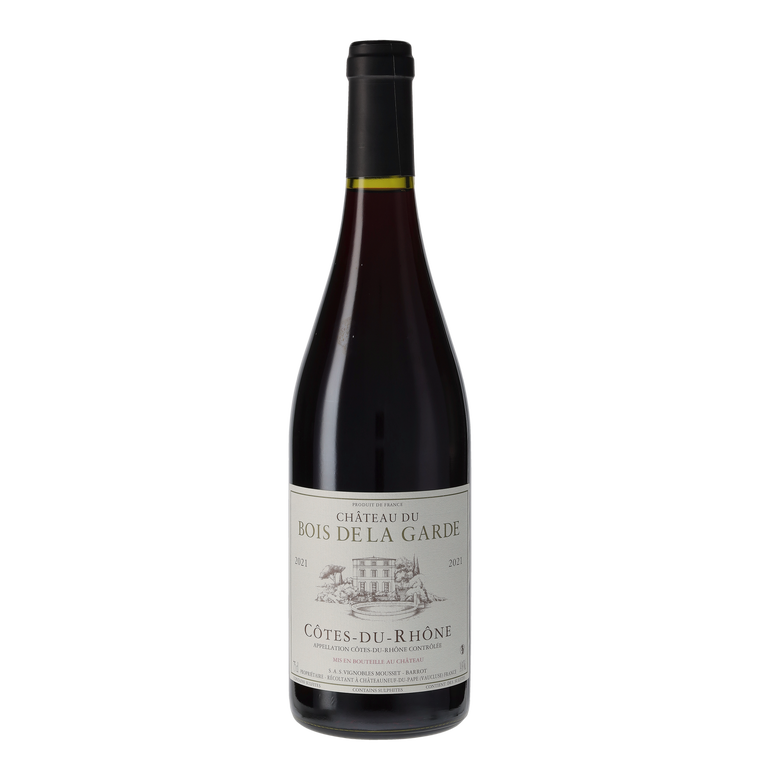
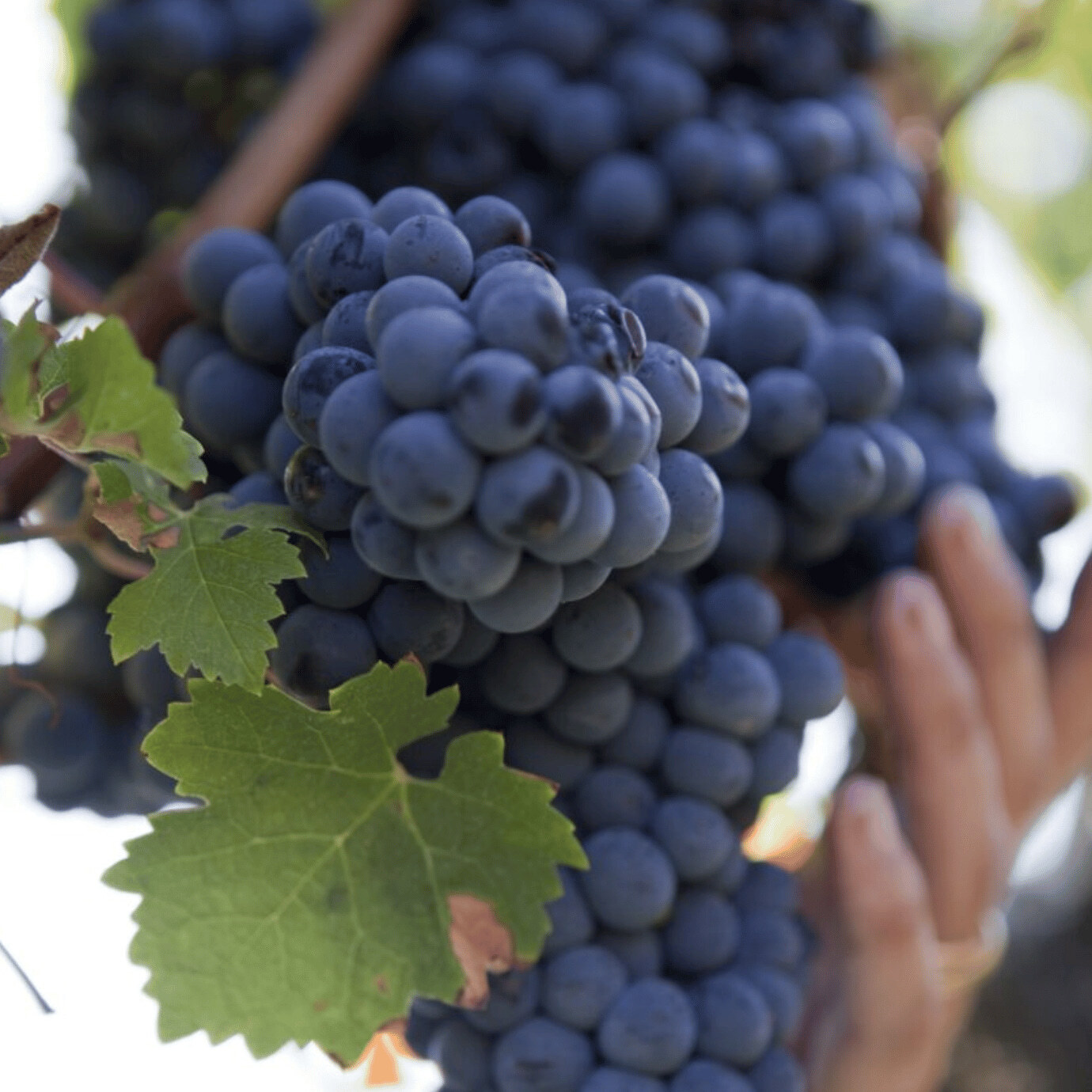
Appearance / Eye
The first stage of tasting: observe the wine’s colour, intensity, brightness and clarity. Its appearance can already provide useful indications about the grape variety, age and winemaking style.
Nose
The second stage: smell the wine first without swirling, then again after gently swirling it in the glass. The nose reveals primary aromas (fruit, flowers), secondary aromas (fermentation) and tertiary aromas (ageing and development).
Palate / Mouth
The third stage: taste the wine. Assess the attack, the balance between acidity, tannins, alcohol and sweetness, the length on the palate, aromatic persistence and the finish.
Food Pairing
Suggestions for dishes that complement the wine. A successful pairing is based on a balance between the flavours, intensity and aromas of both the food and the wine.
Serving Temperature
The ideal temperature for revealing the wine’s aromas and balance. A wine served too cold may become closed, while a wine served too warm may lose freshness and balance.
Ageing Potential
The length of time a wine can be kept and allowed to develop in the cellar. Some wines are best enjoyed young, while others reveal their full potential after several years.
Appellation
A regulated geographical area whose wines must comply with a precise set of production rules, including terroir, authorised grape varieties, yields and winemaking methods. The appellation is the wine’s geographical and qualitative identity.
Origin: Country, Region
The geographical origin of the wine. Climate, soils and local traditions all contribute directly to its character and style.
Estate / Château
The wine estate responsible for producing the wine. Depending on the producer, the various stages from growing the grapes to winemaking and bottling may be carried out directly on the estate.
Wine Type
The overall style of the wine: still, sparkling, pétillant naturel, fortified or naturally sweet. A useful first indication of the wine’s character and style.
Colour
The wine’s appearance at first glance: red, white, rosé or orange. It provides initial indications about the grape variety, winemaking method and sometimes the wine’s development.
Grape Varieties
The grape variety or varieties used to make the wine. Each grape variety brings its own aromatic characteristics, structure and affinity with particular terroirs.
Vintage
The year in which the grapes were harvested. The climatic conditions of the vintage have a direct influence on the wine’s character, balance and ageing potential.
Alcohol by Volume
The wine’s alcohol content by volume. It depends partly on grape ripeness and winemaking choices, and contributes to the wine’s body and sense of warmth on the palate.
Bottle Size
The volume of the bottle. Common formats range from half bottles to Magnums and larger formats. Larger bottles generally allow the wine to develop more slowly.
Dry / Rich
A scale describing the perception of sweetness and texture on the palate. A dry wine contains little or no perceptible sweetness, while a richer, off-dry or sweet wine offers greater roundness and softness.
Supple / Tannic
A scale measuring the presence and feel of tannins. A supple wine has a soft, smooth texture, while a tannic wine has greater structure and may leave a slight drying sensation on the palate.
Light / Powerful
A scale measuring the wine’s body and intensity on the palate. A light wine favours finesse and freshness, while a powerful wine offers greater density, concentration and breadth.
Subtle / Aromatic
A scale measuring aromatic intensity: subtle and restrained at one end, expressive and perfumed at the other.
Simple / Complex
A scale describing the wine’s aromatic complexity. A simple wine is direct and easy to understand, while a complex wine gradually reveals multiple layers and nuances during tasting.
Fresh / Warm
A scale describing the overall sensation on the palate: lively and fresh at one end, rounder and warmer at the other.
Fruity / Oaked
A scale describing the dominant aromatic profile: fruit and floral notes on the fruity side, oak, spice, vanilla or toasted notes on the oaked side.
Lively / Generous
A scale describing the balance between tension and roundness: freshness and vibrancy on the lively side, richness and generosity on the generous side.
Winemaking
The techniques used to transform grapes into wine, including maceration, fermentation, pressing and blending. They reflect the winemaker’s choices and the desired style of the wine.
Maturation
The period during which the wine develops after fermentation, whether in tank, barrel, amphora or bottle. This stage can contribute to greater complexity, texture and aromatic depth.
Oak Ageing
The period the wine spends in wooden barrels. Depending on the duration, type of wood and age of the barrels, oak ageing may contribute notes of vanilla, spice, toast or smoke.
Ageing
The gradual development of the wine over time. Aromas integrate, tannins may soften and new tertiary notes can emerge, such as woodland, leather, tobacco, spice or truffle.
Classification
An official or historical hierarchy that distinguishes certain estates, crus or vineyards according to the rules of a particular region or appellation. These classifications are recognised reference points within the wine world.
Quality Designation (AOC / AOP)
Appellation d’Origine Contrôlée (AOC), or Appellation d’Origine Protégée (AOP) at European level, guarantees that a wine comes from a defined geographical area and complies with a specific set of production requirements.
Environmental Certification / Label
A reference to an environmental approach or certification adopted by the producer, such as organic farming, biodynamic viticulture, Haute Valeur Environnementale (HVE) or another recognised commitment.
Sulphites
Compounds based on sulphur dioxide (SO₂), used in particular to protect wine from oxidation and certain microbiological spoilage. The statement “contains sulphites” is mandatory above the regulatory threshold.
Primeur Wine
A primeur wine is released and enjoyed very young, only a few weeks or months after the harvest. It generally emphasises freshness, vibrancy and fruit.
En Primeur
The term “en primeur” can also refer to buying a wine while it is still ageing at the producer’s estate, before bottling and final delivery.
Region
A wine-growing area with its own climatic, geological and cultural characteristics. The region plays a major role in shaping the style and identity of the wines produced there.